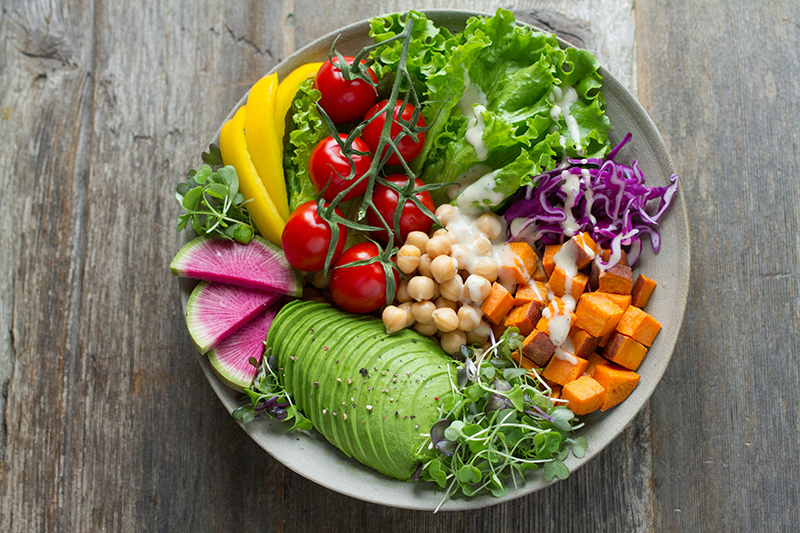
Executive Summary: Using input from food and beverage experts, this article examines five trends shaping the better-for-you (BFY) food and beverage market. While the category continues to grow, we discuss how BFY is increasingly becoming table stakes, with brands now competing more on taste. We explore how health has become part of consumer identity, why saturation may lead to future consolidation, how BFY trends extend into adjacent categories like pet food, and which trends—like protein fortification—may prove less durable over time. Together, these insights help us understand the characteristics of the growing influence of health and nutrition on all food and beverage products.
What’s Shaping the $80 Billion Better-For-You Market?
The global better-for-you (BFY) snacks market is estimated to reach $78 billion by 2030. What trends are shaping this huge market, and how do they relate to larger changes in packaged foods?
We spoke with Ashley Hartman, of Bluestein Ventures, as well as other industry experts, to uncover five trends in BFY food and beverage. We were especially interested in understanding the future of these trends: which are here to stay, and which are a flash in the pan? Here’s what we’ll cover:
- BFY is table stakes
- Health as identity makes BFY sturdy in a downturn
- A more saturated space may lead to future consolidation
- BFY pets is on the rise
- Protein-everything won’t be forever
Let’s dive into the BFY food and beverage trends.
1. BFY Is Table Stakes
When asked what trends she sees in better-for-you food and beverage, the first one Hartman identified was that BFY is now “table stakes.” We can think of a trifecta of desirable qualities in food and beverage:
- health
- price
- taste
According to Hartman, five years ago, customers were often willing to pay more for a less tasty (but healthier) product. These days, consumers are less willing to trade off taste. The better-for-you claim is no longer enough to drive purchasing, and now BFY food and beverage must also deliver on taste.
You can see this trend in the rise of great BFY mac-and-cheese options, like Goodles and Banza, which we wrote about recently as brand strategy examples. While these options may go for more than twice the price of a box of Kraft, they offer more protein and fiber, and according to our taste-testers they were quite palatable. I myself reach for Goodles, because I can afford the bump in price, and I value the extra fiber and protein.
Since we did our review, Kraft got in on the action, offering the new protein and fiber-enriched PowerMac. It seems similarly high-performing: one reviewer writes, “I found the flavor every bit as good as the original.” The BFY mac-and-cheese options demonstrate that health is table stakes when it comes to many packaged foods: these brands are now competing on taste and price.

2. Health as Identity Makes BFY Sturdy in a Downturn
Another trend we identified in our interviews was an increase in consumers seeing their health and dietary choices as part of their identities. With an ability to research everything they eat using AI tools and to engineer their hunger and fullness cues using GLP-1s, the biohacking mindset has gone mainstream, and people are prioritizing their health.
According to Hartman and other industry experts, this cultural change means that BFY foods might do surprisingly well in economic downturns. Hartman noted that people are more willing to make cutbacks in other areas, compared to their wellness. Another industry expert shared that if people can’t afford to splurge on a vacation, they still might choose to splurge on luxurious foods, especially ones that promise both health and taste (like that $20 can of fish – so many healthy fatty acids, and look, it’s from Spain!).
3. A More Saturated Space May Lead to Future Consolidation
As we saw with the discussion of BFY mac-and-cheese, another ongoing trend in BFY food and beverage is that the space is becoming saturated, with more and more options. Now it’s not just Goodles and Banza, but Kraft too is selling a protein-enriched version of your favorite childhood meal. Similarly, on grocery shelves, you might have noticed a proliferation of new protein bars and protein snacks.
What will happen with all of these brands? We can look ahead to vegetarian/vegan meat substitutes as an example of a space that became saturated a few years ago. Now, according to the Good Food Institute, a major trend in plant-based meats is “a consolidation of product portfolios, technology stacks, and brand equity.” As different markets for BFY foods become more and more saturated, we might expect them to follow a similar pattern, with diversification followed by consolidation.
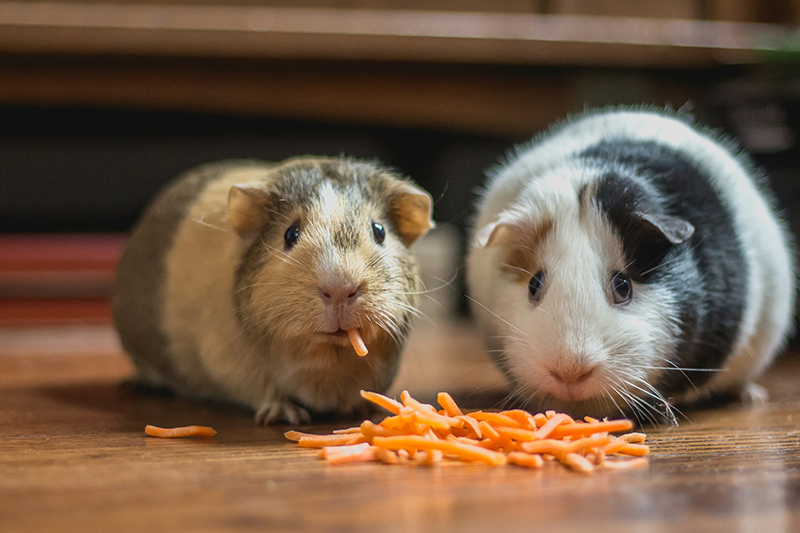
4. Better-for-You Pets Is on the Rise
One surprising trend was a growing emphasis on healthier pet food, which in turn contributes to more demand for healthier options for the owners themselves. According to PetFoodIndustry.com:
“pet owners increasingly think about how food choices support digestive health, mobility and overall vitality over time.”
A related trend in pet food is the tendency to pick fresh, refrigerated, or frozen options over dried pet foods, which is more popular with Millennial and Gen Z pet owners.
One industry expert noted that increasing focus on more nutritious pet food might also cause owners to consider the nutritional content of their own food, and vice-versa: this would create a positively reinforcing cycle. Not only would the human trends be influencing the pet trends, but BFY pet food might fuel more demand for human BFY options.
5. Protein-Everything Won’t Be Forever
Much ink has been spilled (including by me!) over the protein-ification of everything. Suffice it to say that we are in a protein wave. Returning to our mac-and-cheese example, the two main benefits of the BFY options are said to be increased protein and fiber. I often wonder whether the protein bubble will pop.
So, I asked our industry experts whether they thought protein-everything was here to stay. Hartman pointed out that some protein-enriched products might have more staying power than others. The distinction she drew was between products that might genuinely benefit from some added protein and others where the addition is more of a fad. Perhaps mac-and-cheese falls into the first category, because it is sometimes a main dish. Meanwhile, protein waters are giving fad.
Another industry expert noted:
“people have the attitude that whatever they want to eat should have protein, including e.g. icecream,”
But, historically, after protein fads, we see an increased emphasis on fiber. This progression is already taking place, so perhaps we have already seen peak protein. For now, he advises that brands call out both protein and fiber.
Which Market Trends Are Shaping Your Brand’s Environment?
It’s hard to know the difference between market changes that are temporary and those that are enduring. So many of these trends are fuelled by new technological innovations, including in food science. However, by understanding market trends, it is possible to create a winning market strategy.
Insight to Action can help you understand which trends are shaping your business landscape. To learn more about food and beverage trends and related topics, check out our resources page Or subscribe to our newsletter, your go-to source for the ever-evolving world of market strategy. If you think your business could benefit from our expertise, contact us!