
Executive Summary: Five GLP-1 market trends are driving changes to the food and beverage industry, including GLP-1 specific branding, nutrient density, meals over snacks, better-for-you options, and dining out. In the US, 20% of households contain at least one GLP-1 user, and incentives for GLP-1 use are growing. Most food and beverage brands will be affected by these trends.
By 2030, GLP-1 Users Expected to Buy 35% of Food and Beverage Purchases
GLP-1 drugs for weight loss were introduced in 2021, and since then we’ve seen plenty of discussion of their impact on the food and beverage industry. I have personally already written two articles addressing GLP-1 drugs and their impact on the food and beverage market. However, these drugs are far from old news, for three reasons:
- Despite the fact that being on one of these drugs means lower spending on food and beverages for a given individual, per capita GLP-1 users still actually outspend non-users. This likely reflects the relative wealth associated with being on a GLP-1 drug. Households with GLP-1 users are projected to make 35% of all food and beverage purchases by 2030.
- GLP-1 use has impacts beyond the individual. Currently, about 20% of US households have at least one GLP-1 user, meaning that the spending habits of the whole household are impacted.
- The Trump administration recently announced that Medicare will begin covering Ozempic and Wegovy. According to a poll taken before this policy change, 22% of adults ages 50-64 used GLP-1 drugs, while only 9% of those 65+ were on GLP-1 drugs, perhaps because they were not covered by Medicare. In the wake of this policy change, we can only expect GLP-1 drugs to have a greater impact on the food and beverage market.
The GLP-1 customer base is expanding, and it spends more as compared to non-users. This segment remains extremely relevant, and in 2026, we will see new and different GLP-1 market trends.
Here are five key market trends for the food and beverage industry when it comes to courting GLP-1 users and their households:
- GLP-1 specific branding
- Nutrient dense-products
- Meals over snacks
- Better-for-you options
- More dining out
GLP-1 Market Trend #1:
Specific Branding Makes Products Stand Out
One simple way that food and beverage companies are appealing to GLP-1 users is the direct inclusion of the term “GLP-1” on their packaging or in their marketing materials. In my previous article on this topic, I discussed how Danone, Conagra, and Nestlé used different strategies to market their products to GLP-1 consumers, either by re-labelling existing products, creating new products, or creating an entirely new brand. One through-line was that all three corporations specifically communicated that their products were intended for GLP-1 users.
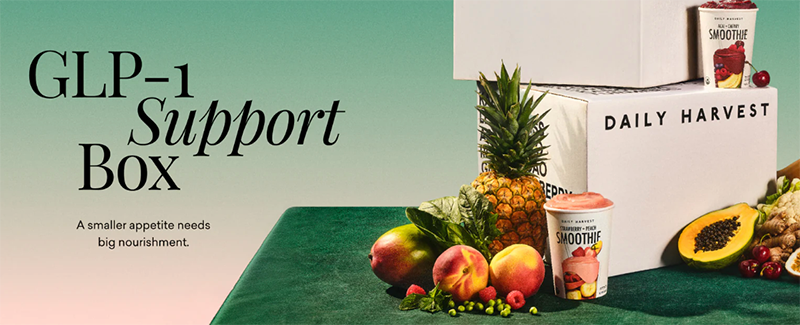
Plenty of other companies are taking a similar approach. For example, Daily Harvest offers specialty GLP-1 meals. The logic of this market trend is straightforward: GLP-1 consumers have specific needs, and communicating directly that a product is intended to meet those needs can help appeal to those consumers.
GLP-1 Market Trend #2:
Nutrient-Dense Products for a Smaller Appetite
GLP-1 consumers have specific nutritional needs, and they prioritize protein and fiber consumption. Both of these nutrients are broadly understood to be important for satiety, weight-management, gut health, muscle health, and more. They are even more important for patients on GLP-1s to focus on, because the decreased volume of food consumed by people taking semaglutide drugs means that each bite must deliver more nutrition.
As noted above, I covered this protein trend back in November, discussing how Starbucks and RxBar exemplified two different approaches to adding protein to foods. In both cases, the emphasis was on building in even more nutrition. To appeal to GLP-1 consumers, it is important to include and emphasize key nutrients they need.
GLP-1 Market Trend #3:
Meals Over Snacks
Setting aside specific nutrient composition, another important market trend influenced by GLP-1 use is the decline in interest in snack foods. GLP-1 consumers disproportionately reduce their purchases of snacks and treats as compared to whole foods. Prior to the introduction of GLP-1 drugs, snack food consumption increased significantly during the pandemic. Times have changed, and eDairy News reports:
“changing dietary patterns could cut U.S. snack sales by up to $12 billion over the next decade.”
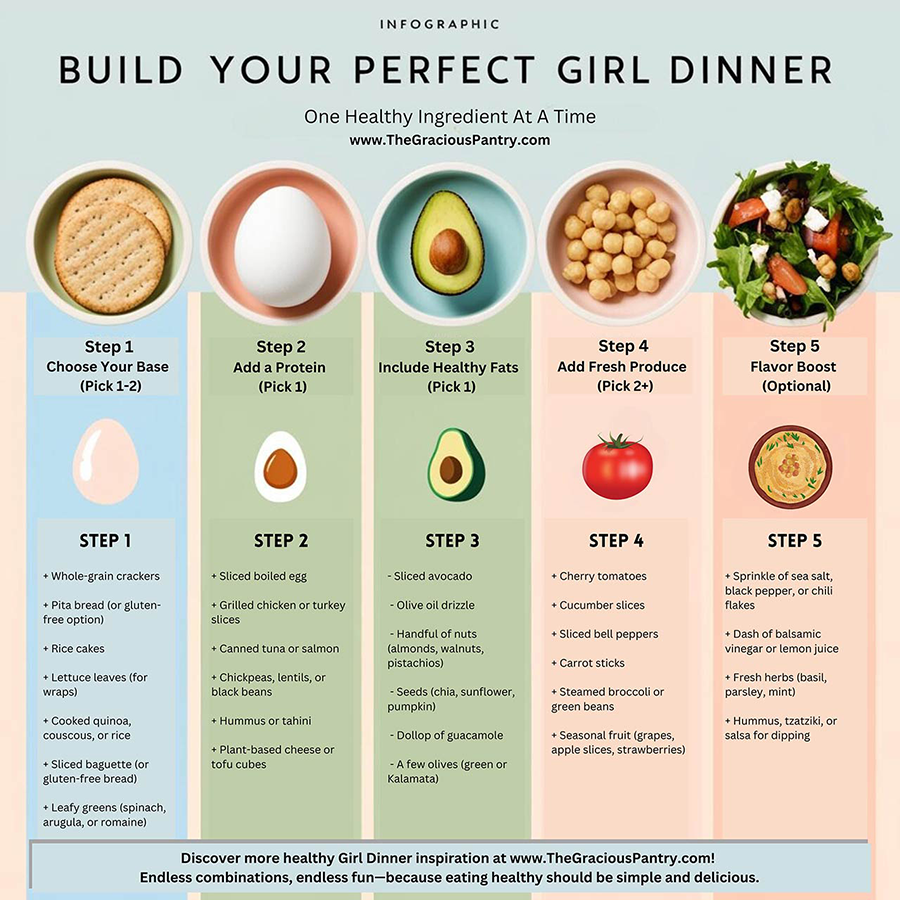
One possible way forward is to re-brand these snacks into foods served as part of meals (think Girl Dinner), or by introducing better-for-you snack options (covered on the Insight to Action blog last year).
GLP-1 Market Trend #4:
Better-for-You Appeals to the Whole Household
The subject of better-for-you options as a market trend extends beyond the snack aisle. As previously mentioned, over 20% of US households have at least one person on GLP-1 drugs. However, according to Circana:
“The presence of a household member on a GLP-1 medication does not result in smaller shopping baskets, as the number of food and beverage items purchased per trip stands at 26 for GLP-1 households and 25.1 for all households.”
Households do not purchase fewer items when their members are on GLP-1 drugs. Indeed, these data suggest they purchase slightly more, which makes sense as individuals on GLP-1 drugs might need different options as compared to their family members. This is where better-for-you options come in.
We recently covered a few BFY mac and cheese options, including Goodles, which packs in more protein and fiber than traditional mac and cheese. A brand like Goodles can appeal to a household with a member on GLP-1 by positioning itself to serve the needs of different members of the household: if Dad is on Ozempic and the kids love mac and cheese, a box of Goodles meets everyone’s needs.
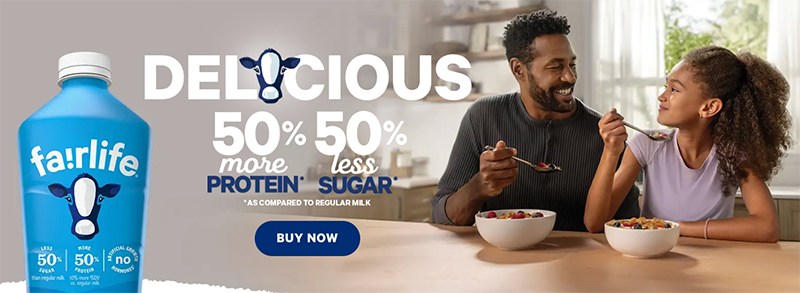
Similarly, we recently covered how a brand like Fairlife (a value-added milk) meets multiple needs because it is higher in protein and lower in sugar than standard dairy milk, while also being lactose-free. If different members of the household have different needs (say, a husband is lactose intolerant and his wife is on Wegovy), Fairlife makes sense as a purchase option because it suits all of those needs.
All of these examples demonstrate how GLP-1 drugs can shape market trends
not just through influencing individual but also household purchasing patterns. On an individual level a GLP-1 consumer might look for specific branding, portion sizes, or nutrients, but on the level of a household what is needed is flexibility and meeting the needs of more than just one individual.
GLP-1 Market Trend #5:
Dining Out Creates Flexibility
Our final market trend relates to another means of creating options for different members of a household: dining out. According to Food Navigator, GLP-1 consumers are spending more at restaurants, which might be attributable to meeting multiple needs in a given household without having to cook different options oneself. Dining out frequently might therefore be more common in households with at least one member on GLP-1 drugs.
Conclusion: GLP-1 Market Trends Beyond Food and Beverage
The winds of change are not limited to food and beverage. According to CNBC:
“Analysts have posited shifts in retail spending — including greater activewear sales to reduced oversized demand — and fuel-savings for airlines from lighter passenger loads.”
Similarly, the Canadian Broadcast Company reports that in Canada, clothing stores are selling more small sizes and more belts; wedding dress tailors are completing more significant alterations, and we may see decreased demand for alcohol and other habit-forming drugs.
GLP-1 drugs are changing not only how people spend their money on food, but also on other products. To stay on top of market trends, subscribe to the Insight to Action newsletter. And contact us to discuss addressing food and beverage trends with your brands.